When it comes to choosing the right building material for your home, concrete stands as one of the most versatile and reliable options in modern construction. From creating a solid foundation to enhancing your outdoor patio, this remarkable material has revolutionized residential building practices. Whether you’re planning a new house, considering a driveway upgrade, or exploring coating options for existing concrete surfaces, understanding the fundamentals of residential concrete is essential for making informed decisions about your property investment.
What is Residential Concrete?

Residential concrete is a composite building material created through a precise chemical reaction between Portland cement, water, and various construction aggregate materials such as sand, gravel, and crushed stone. This mixture forms a durable, stone-like substance that serves as the backbone of modern home construction. The American Concrete Institute has established standards that ensure residential concrete meets specific requirements for compressive strength, durability, and safety in home applications.
The ratio of ingredients in concrete significantly impacts its final properties of concrete. A typical residential concrete mix contains approximately one part cement, two parts sand, three parts gravel, and about half a part water. This careful balance creates a binder that holds everything together while providing the necessary strength to support structural load requirements.
Types of Concrete Used in Residential Applications
Understanding the various types of concrete available helps homeowners make informed decisions based on their specific needs and budget considerations.
- Reinforced concrete incorporates steel reinforcement bars (rebar) or carbon steel mesh to enhance tensile strength. This type is essential for structural engineering applications like foundation walls, beam construction, and concrete slab installations, where additional strength is required to resist stress and prevent deformation.
- Prestressed concrete takes reinforcement a step further by applying tension to the steel reinforcement before the concrete cures. This advanced technique is commonly used in bridge construction and can be adapted for residential applications requiring exceptional structural load capacity.
- Precast concrete elements are manufactured off-site under controlled conditions, ensuring consistent quality and reducing on-site construction time. These components include concrete block units, decorative elements, and specialized shape configurations for unique design requirements.
- Insulating concrete form (ICF) systems combine concrete with foam insulation, creating walls with superior thermal insulation properties. This environmentally friendly approach reduces energy consumption while providing excellent thermal mass benefits that help regulate indoor temperatures regardless of climate conditions.
Applications in Residential Construction

Foundation and Structural Systems
The foundation represents the most critical concrete application in residential construction. A properly designed foundation must distribute the weight of the entire structure evenly across the soil while resisting moisture infiltration and providing protection against termite intrusion. Modern foundation systems utilize formwork to achieve precise dimensions and often incorporate waterproof coating applications to prevent corrosion of embedded iron and steel reinforcement.
Column and beam elements distribute loads effectively throughout the structure, ensuring safety and stability. These structural components must withstand compression forces while maintaining their shape under various structural load conditions.
Floor and Wall Construction
Residential floor systems frequently utilize concrete slab construction, particularly in basement and garage applications. Wall construction using concrete offers superior durability compared to traditional framing methods, providing excellent resistance to wind loads and extreme weather conditions.
Exterior Applications
Driveway, sidewalk, and patio installations represent highly visible concrete applications. Modern installations often incorporate decorative concrete techniques with various color options while maintaining structural integrity. Pavers manufactured from concrete offer design flexibility while providing superior durability for road and walkway applications.
Interior applications include countertop installations and stairs, where concrete’s versatility allows for creative design solutions while maintaining the mass and stability required for daily use.
Professional Coating Services
Professional coating systems like Coating Designs maximize concrete’s longevity and aesthetic appeal across all residential applications:
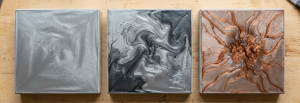
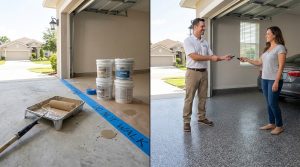
Garage coatings provide essential protection against automotive fluids and heavy foot traffic while creating easy-to-clean surfaces. Concrete coatings offer broad-spectrum protection against moisture, chemical reaction damage, and surface abrasion. Metallic epoxy systems create stunning visual effects through innovative pigment technology, perfect for high-end residential applications.
Patio coatings resist UV damage and temperature fluctuations while maintaining slip resistance. Driveway coatings protect against automotive fluids and freeze-thaw damage. Pool Deck Coatings address the unique challenges of constant moisture exposure and pool chemicals while ensuring safety.
Material Properties and Performance
Concrete’s compressive strength typically ranges from 2,500 to 4,000 pounds per square inch for residential applications. This strength develops through hydration, where cement particles react with water to form calcium silicate hydrate gel. Heat accelerates this process, while cold temperatures can slow curing.
The mass and density of concrete contribute to excellent thermal mass properties, helping regulate indoor temperatures and reduce energy consumption. This characteristic makes concrete an increasingly popular choice for environmentally friendly construction practices focused on sustainability.
Moisture management is crucial for concrete performance. Proper mortar joints and sulfate resistance are particularly important in areas with aggressive soil conditions. Fiberglass reinforcement offers alternatives to traditional steel reinforcement where corrosion resistance is paramount.
Quality Control and Environmental Benefits
The American Concrete Institute provides comprehensive guidelines covering everything from mixture design to installation procedures. Proper formwork design ensures the desired shape and surface finish, while structural engineering principles guide reinforcement placement.
Modern concrete production focuses on environmentally friendly practices, including using recycled materials as construction aggregate and reducing carbon emissions. The thermal mass characteristics contribute to energy savings by moderating temperature fluctuations, particularly valuable in regions with extreme weather conditions.
Design Flexibility and Maintenance

Contemporary concrete applications extend beyond basic structural elements. Decorative concrete techniques allow unlimited color and texture options while maintaining structural integrity. When combined with professional coating systems, concrete surfaces achieve virtually any aesthetic goal while retaining compressive strength and durability.
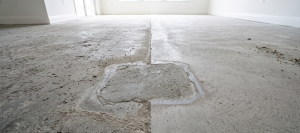
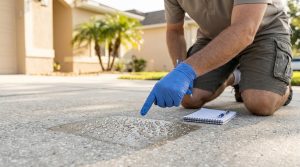
Properly installed residential concrete provides decades of service with minimal maintenance. Regular inspection for cracks and moisture infiltration helps identify issues early. Professional coating applications significantly enhance surface durability and provide protection against environmental damage.
The longevity of concrete construction makes it an excellent investment for homeowners concerned about long-term value and sustainability. Unlike other materials requiring frequent replacement, concrete infrastructure serves multiple generations with proper care.
From basement floor to roof structure, concrete provides unmatched durability, safety, and longevity for residential construction. Whether supporting structural loads in bridge-like applications or creating beautiful outdoor spaces, concrete offers solutions that combine structural integrity with aesthetic appeal.
In Summary
Residential concrete represents far more than just a basic building material—it’s the foundation of modern, sustainable home construction. Understanding the various types of concrete, their applications, and proper maintenance requirements empowers homeowners to make informed decisions that enhance both property value and living comfort. From structural applications requiring rebar and carbon steel reinforcement to decorative installations featuring unlimited design possibilities, concrete offers versatile solutions for every residential need. The combination of proven structural performance, environmental benefits, and aesthetic flexibility makes concrete the ideal choice for homeowners seeking durable, beautiful, and sustainable building solutions.
Ready to Transform Your Property with Professional Concrete Coatings?
Don’t let your concrete surfaces go unprotected! Our expert team specializes in Garage Coatings, Concrete Coatings, Metallic Epoxy, Patio Coatings, Driveway Coatings, and Pool Deck Coatings that enhance durability, improve aesthetics, and extend longevity. From garage transformations to stunning patio makeovers, we deliver customized solutions that fit your budget and exceed expectations.
Contact us today for a free consultation and discover how professional concrete coatings can transform your surfaces into beautiful, long-lasting features that add significant value to your property.

Reinaldo Morera is the founder of Coating Designs in Orange County, FL. Specializing in advanced concrete coatings and decorative finishes, Reinaldo combines innovative technology with expert craftsmanship to transform ordinary floors into extraordinary spaces. He is a trusted local voice for those looking to enhance their property with resilient, low-maintenance flooring.