The best concrete coating for a patio depends on how much sun, moisture, and foot traffic the surface handles. For most Florida homeowners, polyaspartic and polyurea systems outperform standard epoxy outdoors because they resist UV yellowing, handle heat cycling, and cure fast enough to use the same day. Coating Designs installs patio coatings across Orlando and Orange County built specifically for Central Florida’s outdoor conditions.
Last spring, a Windermere homeowner called us about a patio that looked embarrassing: gray, flaking paint over cracked concrete, stained from years of afternoon storms and outdoor furniture. Six months later, the same surface has a slip-resistant polyaspartic finish in a warm sandy color that matches the home’s exterior. The patio now hosts weekend cookouts, stands up to sprinkler overspray, and still looks the way it did on installation day.
That difference comes down to one decision: choosing the right coating for what Florida actually does to concrete.
Why Outdoor Concrete Demands a Different Approach
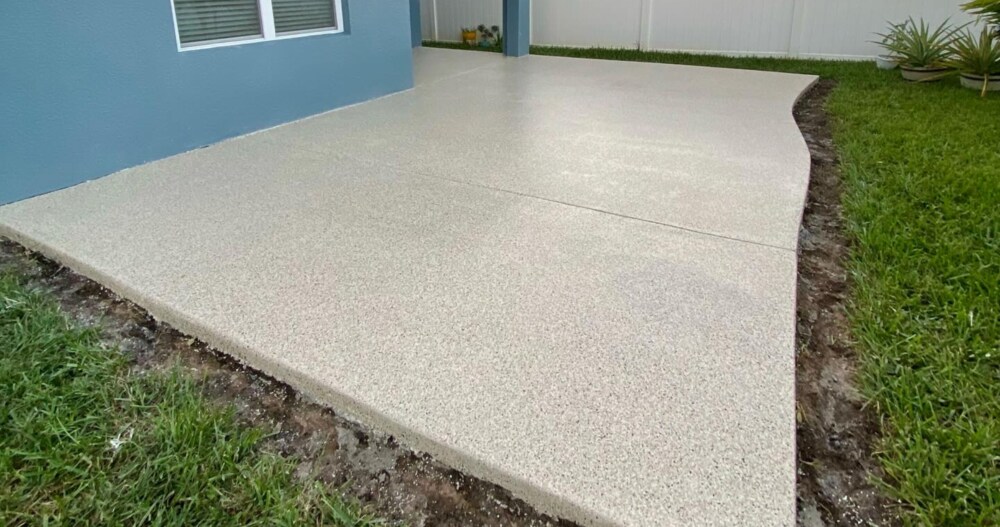
Patio concrete takes a beating that garage floors don’t have to deal with.
UV Exposure
In Orlando, UV index levels frequently reach extreme levels from spring through fall. That sustained solar exposure breaks down coatings that aren’t formulated for it. Standard epoxy contains aromatic resins that yellow and chalk under UV, sometimes visibly within a single season of direct exposure.
Thermal Cycling
Pair that with Florida’s thermal cycling (concrete slabs expanding in 90-degree heat and contracting during cooler nights) and a rigid coating without flexibility will eventually crack along with the slab.
Moisture Penetration
Moisture is the other factor. Central Florida receives heavy annual rainfall, much of it falling in intense afternoon bursts. Water that doesn’t drain quickly sits on the surface, and any coating with micro-pores or adhesion gaps lets that moisture work underneath, lifting the coating from below.
The Right Coating Types for Florida Patios
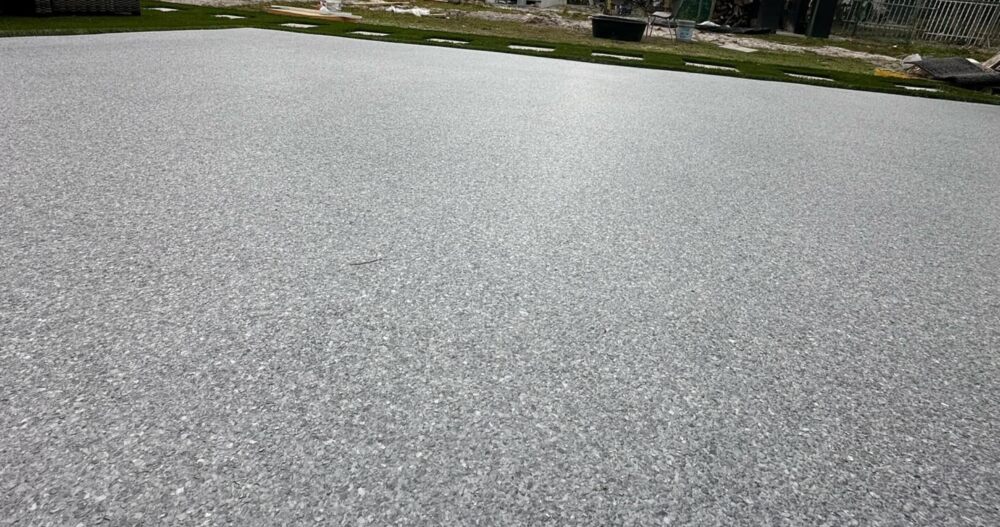
Not all patio floor coating solutions perform equally outdoors. Here’s how the main options compare for patio applications in this climate:
Polyaspartic Coatings
Polyaspartic is an aliphatic (UV-stable) coating that resists yellowing, cures in two to four hours, and is rated to handle high temperatures without softening—an important quality for Florida slabs that absorb direct sun for hours at a time. It bonds tightly to properly prepared concrete and stays flexible enough to move slightly with the slab. For most Orlando-area patios, polyaspartic is the top-performing option. Coating Designs backs its patio coating installations with a 25-year warranty, one of the strongest coverage terms available for residential patio work.
Polyurea Coatings
Polyurea shares many of polyaspartic’s strengths—UV resistance, fast cure, flexibility—but it sets even faster, sometimes in under an hour. It’s an excellent base coat in a multi-layer system. On its own, it can be slippery when wet unless broadcast with anti-slip aggregate. For patios near pools in communities like Hunters Creek or around screened lanais, adding a non-slip texture is non-negotiable.
Acrylic Sealers
Acrylic sealers are a lower-cost option that add color and basic protection, but they wear faster and require reapplication every two to three years in Florida’s climate. They’re fine for decorative concrete that doesn’t take heavy use, but for a primary outdoor living surface, they’re a short-term fix.
Surface Preparation Is Half the Job
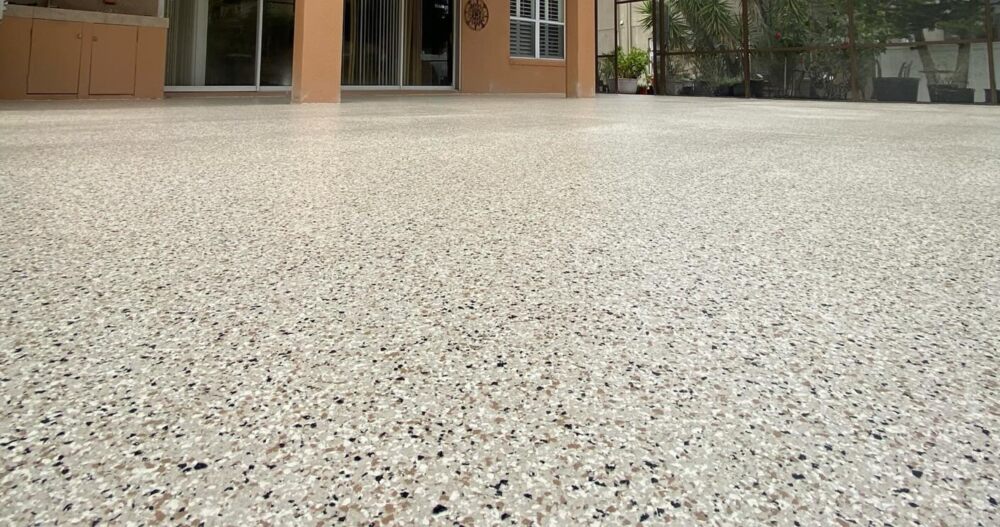
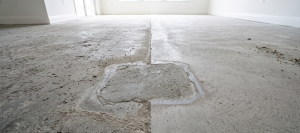
A patio coating fails at the prep stage more often than at the product stage. Concrete must be shot-blasted or diamond-ground to open the surface profile before any coating adheres properly. Moisture vapor transmission through the slab (common in Florida where slabs are poured over high water-table soil) must be tested and addressed before coating. Skipping the test and discovering the issue after installation means pulling the coating and starting over.
Cracks wider than a hairline need to be filled with a flexible polyurea filler, not rigid caulk, so they can continue to move without telegraphing through the finished surface.
For homeowners in Orlando and the surrounding area who are considering a patio upgrade, the surface condition matters as much as the product choice. A fresh coat over poorly prepared concrete will look great for about three months, then it won’t.
Frequently Asked Questions
Can I coat my patio if it has existing cracks?
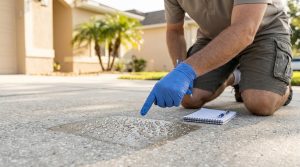
Yes, most patio cracks can be repaired before coating rather than requiring a full concrete replacement. Hairline cracks are filled during surface prep. Wider structural cracks need a flexible polyurea filler that moves with the slab. Coating Designs assesses the severity of cracks during every free estimate to determine the right approach before any coating is applied.
How long does a patio coating take to install in Florida?
Most residential patio coating installations in the Orlando area take one day. Polyaspartic systems cure fast enough that foot traffic is typically safe within four to six hours after the final coat has been applied. Full cure—meaning the surface can handle furniture and normal use—is usually achieved within 24 hours, though this can vary based on the humidity and temperature on the day it’s installed.
Is a coated patio slippery when wet?
A properly specified patio coating with anti-slip aggregate broadcast into the topcoat isn’t slippery when wet. In fact, the textured surface provides better traction than bare concrete. The keyword here is “specified.” Smooth decorative coatings without texture can be slippery. Always confirm that anti-slip additive is part of the system, especially for patios that are adjacent to pools or in high-rainfall areas like Central Florida.
Getting the Most From Your Patio Coating
Once installed, a properly coated patio needs very little to stay sharp. Rinse it weekly during pollen season, use a pH-neutral cleaner for heavier soils, and avoid dragging metal furniture across the surface. Don’t use pressure washers above 1,500 PSI. Anything higher risks lifting the surface aggregate. A professionally installed polyaspartic system commonly carries manufacturer ratings of 10 to 15 years. In Florida conditions, proper maintenance is what keeps it performing toward the upper end of that range.
If your patio is flaking, staining, or just looks tired, the fix is usually simpler than you think. Get a free quote from Coating Designs and find out what your surface needs.

Reinaldo Morera is the founder of Coating Designs in Orange County, FL. Specializing in advanced concrete coatings and decorative finishes, Reinaldo combines innovative technology with expert craftsmanship to transform ordinary floors into extraordinary spaces. He is a trusted local voice for those looking to enhance their property with resilient, low-maintenance flooring.