Driveway resurfacing options in Florida start at $1 per square foot for acrylic sealers and reach $12 for polyaspartic coatings. Most Orlando driveway projects fall between $2,000 and $7,200. Coating Designs installs polyaspartic and epoxy flake driveway coatings across Orange County, selecting the system chemistry based on each slab’s sun exposure and traffic load.
Which system actually survives Orlando’s 95-degree summers and six-month rainy season? The answer has less to do with brand names and more to do with coating chemistry and UV resistance. Five systems follow, ranked by longevity under Central Florida conditions.
Why Florida Driveways Wear Through Standard Sealers

Orlando’s average UV index stays above 8 from April through October. Exposed concrete surface temperatures reach 140 to 150 degrees on summer afternoons, and the rainy season drops roughly 50 inches of rain between June and October. That combination breaks down thin coatings faster than most product labels suggest.
Acrylic sealers, the most common entry-level option at $1 to $3 per square foot, typically last one to three years on a Florida driveway. UV degrades the resin film, tire traffic abrades the surface, and moisture vapor pushing through the slab from underneath causes blistering. For homeowners who want more than an annual reapplication cycle, the next step is a thicker, more chemically resistant coating system.
Five Coating Systems Ranked by Longevity

Each system below handles Orlando’s heat, UV, and moisture differently. Driveway resurfacing costs in Florida depend as much on chemistry as on square footage.
Acrylic Sealers (1 to 3 Years)
A $1 to $3 per square foot maintenance coat that blocks surface water and adds mild UV protection. Requires reapplication every one to three years. Suitable for driveways in good condition that need basic protection, but it won’t hold up to heavy traffic or sustained Florida sun.
Standard Epoxy (3 to 5 Years Outdoors)
Epoxy runs $3 to $7 per square foot and bonds well to prepared concrete, but it yellows and chalks under direct UV. Coating Designs breaks down the strengths and limitations of using epoxy on Florida driveways in more detail, but the short version is this: epoxy works well in covered or shaded areas, and falls short on full-sun Florida slabs.
Polyaspartic Coatings (15 to 20 Years)
Polyaspartic systems cost $5 to $12 per square foot and resist UV, chemicals, and hot-tire pickup. They cure in a single day and maintain color stability through Florida’s summers. Coating Designs uses polyaspartic coatings on most Orange County driveway projects because the chemistry is formulated for sustained UV exposure.
Polyurea Coatings (15 to 20 Years)
Polyurea costs $5 to $10 per square foot and offers flexibility that absorbs concrete expansion and contraction. It handles heavy vehicle traffic and resists moisture vapor transmission, which matters on Florida slabs where water pushes upward year-round.
Decorative Overlays (10 to 15 Years)
Overlays at $6 to $12 per square foot resurface damaged or discolored concrete with a new textured or stamped layer. They perform well when the base slab is structurally sound and drainage is properly graded.
What Makes a Coating Last in Florida?

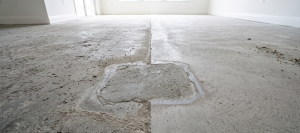
Surface preparation determines coating performance. Diamond grinding removes the top layer of concrete, opens the pores, and creates a mechanical profile that lets the coating bond permanently. Skip that step, and even a high-end polyaspartic system can delaminate within a year.
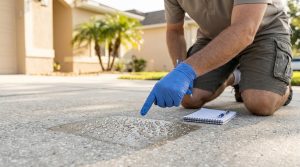
Moisture testing also matters in Central Florida. If vapor transmission through the slab exceeds the coating’s tolerance, the system traps water underneath and blisters. Coating Designs tests every driveway slab before applying any system. This is standard practice for concrete coating projects in Orlando, where humidity and groundwater levels stay high year-round.
Frequently Asked Questions
How long does driveway resurfacing last in Florida?
The lifespan of resurfaced driveways in Florida depends on the coating system applied to the slab. Acrylic sealers typically last one to three years before needing reapplication because UV breaks down the thin resin film. Polyaspartic and polyurea coatings typically last 15 to 20 years when professionally installed with diamond grinding and proper moisture testing, because the chemistry resists UV degradation and thermal cycling.
Can you put epoxy on an outdoor driveway in Orlando?
You can apply epoxy to an outdoor driveway in Orlando, but it will yellow and chalk within a few years of direct sun exposure. The resin isn’t UV-stable, so the surface degrades faster outdoors than it would inside a garage. Polyaspartic coatings offer the same bond strength without the UV weakness, which is why most Orlando contractors recommend them for driveways.
What is the most durable driveway coating for Florida weather?
Polyaspartic coatings are the most durable driveway coating for Florida weather because the resin chemistry resists UV degradation, hot-tire pickup, and chemical spills simultaneously. Coating Designs backs its polyaspartic driveway systems with a 25-year warranty. The coating cures in a single day, which reduces the time your driveway is out of service during installation.
Choose the Coating That Outlasts Orlando’s Climate

The differences between a one-year sealer and a 20-year polyaspartic system are UV stability, flexibility, and how the coating handles moisture from beneath the slab. For driveways that sit under Florida’s sun, polyaspartic and polyurea are the two chemistries engineered to last.
Contact Coating Designs for a free driveway coating estimate. Call 1-888-8EPOXY8 or request a free driveway coating consultation online to find out which system fits your driveway, your budget, and your timeline.

Reinaldo Morera is the founder of Coating Designs in Orange County, FL. Specializing in advanced concrete coatings and decorative finishes, Reinaldo combines innovative technology with expert craftsmanship to transform ordinary floors into extraordinary spaces. He is a trusted local voice for those looking to enhance their property with resilient, low-maintenance flooring.